MedSchool Tips
What Is the Highest MCAT Score, and Do You Actually Need It?
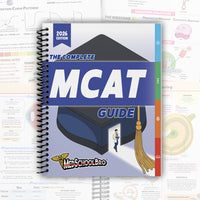
At some point during MCAT prep, almost everyone looks up the top of the scale. Maybe a friend mentioned someone who "got a perfect score." Maybe you just finished your first diagnostic and want to know how far away the ceiling really is. Fair question, because the MCAT scale is genuinely strange. Nobody grows up thinking 528 is a perfect score, and the fact that the lowest possible score is 472 instead of zero confuses almost everyone the first time they see it. So let's clear it up: what is the highest MCAT score, how the scale works, what it takes to get there, and the more useful question hiding underneath all of it. How high do you actually need to go? What Is the Highest MCAT Score? The highest possible MCAT score is 528. The exam has four sections, each scored from 118 to 132, and your total is the sum of all four. That gives a total range of 472 to 528, with 500 sitting right in the middle. A 528 means you earned a 132 in every single section. For context, a 500 lands at roughly the 50th percentile, and the average MD matriculant scores somewhere around 511 to 512. So a perfect score sits about 16 to 17 points above the typical student who actually starts medical school. That gap is the whole story. Knowing what the highest MCAT score is matters for understanding the scale, but 528 isn't the target for almost anyone, including students applying to the most selective programs in the country. How the MCAT Scoring Scale Works The scale makes a lot more sense once you see how the pieces fit together. Four Sections, Four Separate Scores Every MCAT score report shows four section scores plus a total: Chemical and Physical Foundations of Biological Systems (Chem/Phys): 118–132 Critical Analysis and Reasoning Skills (CARS): 118–132 Biological and Biochemical Foundations of Living Systems (Bio/Biochem): 118–132 Psychological, Social, and Biological Foundations of Behavior (Psych/Soc): 118–132 Admissions committees look at both the total and the breakdown. A 515 built from four 128-129s reads differently than a 515 with one section dragging well behind the others. Scaled and Equated, Not Curved The MCAT is not curved against the people who tested on your day. Your raw score (the number of questions you got right) is converted to a scaled score, and the AAMC equates each test form so that a 512 on one date means the same thing as a 512 on another. A harder form simply needs fewer correct answers to reach the same scaled score. That also means a 132 doesn't always require a flawless section. Because raw-to-scaled conversions vary by form, you may have a tiny bit of room on some forms. But "a tiny bit" is the key phrase, and there's no way to know in advance how much. No Penalty for Guessing Wrong answers count the same as unanswered ones. There's no deduction for guessing, so you should never leave a question blank. If the clock is running out, fill in every remaining bubble. Those are free chances at points. How Rare Is a Perfect 528? Extremely rare. Knowing what is the highest MCAT score is one thing; actually earning it is another. A 528 sits at the very top of the AAMC's percentile ranks, and even scores in the low-to-mid 520s already land in roughly the top couple of percent of all test takers. The AAMC updates its percentile table each year, so check the current version for exact numbers (we break it down in our MCAT score percentiles guide). Why Perfection Is So Hard A 528 requires near-mastery across four very different skill sets on the same day. You need deep content knowledge in biology, biochemistry, general and organic chemistry, physics, psychology, and sociology. You need to read dense research passages quickly and interpret figures and data under time pressure. And you need to hold that level of focus over a full, long test day without a single section slipping. CARS Is Where Most Perfect-Score Hopes End For many students, CARS is the hardest 132 to earn because it can't be memorized. There's no content list to master, only reading and reasoning skill built over months of consistent practice. Plenty of students hit 131 or 132 in a science section and plateau in the 127-129 range in CARS, which is completely normal and still a strong score. What MCAT Score Should You Actually Aim For? Here's the question that actually shapes your prep: not what the maximum is, but what score makes your application competitive at the schools you care about. For MD Programs Use the average MD matriculant score of about 511-512 as a baseline, then look up the specific schools on your list. The AAMC's Medical School Admission Requirements (MSAR) database shows each school's median and range for accepted students. Highly selective programs tend to have medians in the upper 510s to low 520s, but those are medians, not minimums, and none of them require a 528. Pick a target a few points above the medians of your realistic schools, not the top of the scale. For DO Programs DO matriculants typically average several points lower than MD matriculants. Check individual school data and AACOM resources for current figures before you set your goal. The Point of Diminishing Returns Once you're comfortably above the medians for your target schools, extra points start to matter less than the rest of your application. In practice, the difference between a 520 and a 524 rarely decides an admissions outcome on its own. At that level, clinical experience, research, service, your personal statement, and interviews do the heavy lifting. Balanced Sections Matter Too A balanced score profile is usually a safer bet than a lopsided one. If you're scoring well overall but one section lags significantly, bringing that section up is often a better use of your time than chasing a few extra points in your strongest area. What Most Students Get Wrong About Chasing a 528 The first mistake is treating a perfect score as the goal. Students who aim for 528 often delay their test date again and again, waiting for practice scores that feel "good enough," and end up burned out with a weaker application timeline. A strong score on time beats a slightly higher score that pushes you into a later cycle. The second mistake is calibrating against online outliers. Forums are full of posts from people who scored in the 520s, which makes a 512 feel mediocre when it's actually well above average and right in line with typical MD matriculants. The people posting their score are not a representative sample. The third mistake is retaking a strong score just to push it higher. If your score already sits at or above your target schools' medians, a retake carries real risk and limited upside. That time is usually better spent on the parts of your application that still have room to grow. The fourth is studying for perfection instead of improvement. Hunting for obscure details to secure that last point in a strong section is far less productive than fixing the patterns behind your most common mistakes. Building Toward Your Best Score, Not a Perfect One Whatever number you're aiming for, the fastest way to get there is lots of realistic practice followed by honest review of every miss. The MCAT Question Bank from MedSchoolBro gives you 3,000+ AAMC-style questions and 4 full-length exams, so you can see exactly which sections are holding your total back and track progress toward your target. If you also want a content foundation and flashcards in one place, the Complete MCAT Bundle from MedSchoolBro pairs the QBank with the guide and flashcard set. Not sure where you stand yet? Take the free MCAT full-length on MedSchoolGuru first: you'll get a scaled score and percentile at no cost, which makes picking a realistic target much easier. Frequently Asked Questions Is 528 a perfect MCAT score? Yes. A 528 is the top of the scale and means you earned the maximum of 132 in all four sections. It's extremely rare, and you don't need it to get into medical school, including highly selective programs. What is the highest MCAT score in each section? Each of the four sections tops out at 132, and the lowest section score is 118. Your total is simply the four section scores added together, which is why the overall scale runs from 472 to 528. What is the lowest possible MCAT score? The lowest possible total is 472, which corresponds to the minimum of 118 in each of the four sections. The midpoint of the scale is 500, which falls at roughly the 50th percentile. Can you miss questions and still get a 528? Possibly, depending on the form. Because the AAMC converts raw scores to scaled scores and equates each form, the number of misses allowed for a 132 can vary slightly. In practice, the margin is so thin that you should treat a 132 as needing near-perfect performance. Is a 520 a good MCAT score? A 520 is an excellent score. It falls in roughly the top few percent of test takers and sits well above the average MD matriculant score of about 511-512. At that level, the rest of your application usually matters more than adding more points.
Learn moreHow to Study for Psychiatry Shelf Exams in 4 Weeks
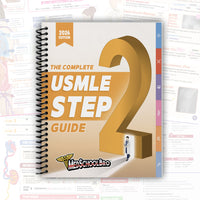
Psychiatry is often the rotation where students finally get to sit down and really talk to patients. The interviews are long, the stories stick with you, and for once nobody is asking you to name the branches of the celiac trunk. Then you do your first block of practice questions and realize the shelf is far more precise than the rotation feels. Was it 4 days of symptoms or a full week? Six months or one? Is this lithium toxicity or serotonin syndrome? The details that seem fuzzy on the unit are exactly what the exam tests. If that gap feels frustrating, you're in good company. The psych shelf is very learnable, and because so much of it is rule-based, a focused plan goes a long way even on a short rotation. How Do You Study for the Psychiatry Shelf? The approach that works for most students: use one Step 2 CK-style question bank as your main resource, do roughly 20 to 40 questions a day, memorize DSM duration criteria and psychiatric medication side effects in your first week, and save NBME practice forms for the last 10 days. Psychiatry clerkships commonly run around 4 to 6 weeks, so there's not much room for a slow start. The upside is that the content is narrower than medicine or surgery, which means steady daily work covers a lot of ground. The heart of how to study for psychiatry shelf exams is precision. Most questions come down to a timeline, a specific side effect, or the safest next step. Get those three things right and the rest falls into place. What the Psychiatry Shelf Actually Tests Diagnosis by Timeline Many psych questions are really duration questions in disguise. Learn these cold: Diagnosis Key duration (DSM-5) Major depressive episode At least 2 weeks (5 of 9 symptoms, including depressed mood or anhedonia) Persistent depressive disorder At least 2 years (1 year in children and adolescents) Manic episode At least 1 week, or any duration if hospitalization is needed Hypomanic episode At least 4 consecutive days Brief psychotic disorder At least 1 day, less than 1 month Schizophreniform disorder At least 1 month, less than 6 months Schizophrenia At least 6 months, including at least 1 month of active symptoms Generalized anxiety disorder At least 6 months Acute stress disorder 3 days to 1 month after the trauma PTSD More than 1 month Adjustment disorder Onset within 3 months of a stressor Questions will often give you a vivid presentation and quietly mention the duration in one sentence. Train yourself to find that sentence first. Psychopharmacology and Side Effects This is the other big pillar. A few that show up constantly: SSRIs are first-line for depression, generalized anxiety, OCD, and PTSD (alongside psychotherapy). Watch for sexual side effects and serotonin syndrome when combined with other serotonergic drugs. Bupropion lowers the seizure threshold, so avoid it in patients with seizures or eating disorders. It's a common pick when sexual side effects are the concern. Lithium causes tremor, hypothyroidism, and nephrogenic diabetes insipidus, and is associated with Ebstein anomaly. Thiazides, NSAIDs, and ACE inhibitors can raise levels into the toxic range. Clozapine is used for treatment-resistant schizophrenia and requires neutrophil count monitoring because of agranulocytosis risk. Valproate, carbamazepine, and lamotrigine each have signature risks: hepatotoxicity and neural tube defects with valproate, agranulocytosis and SIADH with carbamazepine, and Stevens-Johnson syndrome with lamotrigine. Know the antipsychotic movement side effects by timing too: acute dystonia within hours to days, akathisia over days to weeks, and tardive dyskinesia after months to years. Psychiatric Emergencies and Substances Neuroleptic malignant syndrome versus serotonin syndrome is a favorite comparison. NMS develops over days with lead-pipe rigidity, high fever, altered mental status, and elevated CK. Serotonin syndrome develops over hours with hyperreflexia, clonus, and agitation. Substance intoxication and withdrawal are also heavily tested. Alcohol withdrawal is treated with benzodiazepines, and delirium tremens typically appears around 2 to 4 days after the last drink. Opioid withdrawal is miserable but rarely life-threatening; think dilated pupils, yawning, and diarrhea. Where Psych Overlaps With Neuro, Peds, and Ethics Expect delirium versus dementia, ADHD and autism, eating disorders, decision-making capacity, confidentiality, and suicide risk assessment. Always consider medical causes before a psychiatric diagnosis. A new-onset psychosis question may really be about thyroid disease, a medication, or a substance. A 4-Week Psychiatry Shelf Study Plan If your rotation is 6 weeks, stretch weeks 2 and 3 and keep the final week the same. Week 1: Learn the Rules Start your question bank with psychiatry selected, around 20 questions a day. Write out the duration table above by hand, then quiz yourself on it daily until it's automatic. Make a one-page medication sheet: drug class, main use, and the one or two side effects the exam cares about. Week 2: Build Volume Push toward 30 to 40 questions a day if your schedule allows, with full review of every explanation. Turn each miss into a short flashcard. Psych is ideal for spaced repetition because so much of it is crisp facts. Cover substances, emergencies, and child psychiatry, which students often leave until too late. Week 3: First Practice Form Take an NBME Clinical Science Mastery Series form for Psychiatry: 50 questions, about 1 hour 15 minutes standard-paced, $21, with an approximate subject-exam score. Sort your misses into timeline errors, pharm errors, and next-step errors. That breakdown tells you exactly what to fix. Week 4: Sharpen and Taper Take a second form early in the week to confirm your trend. Re-review your duration table, medication sheet, and flashcards every day. Keep the day before the exam light and get a full night of sleep. Making the Most of Your Psych Rotation Treat Every Interview Like a Question Stem When you take a history, listen for the same details the shelf hides in its stems: how long symptoms have lasted, whether there's a substance involved, and whether a medical cause has been ruled out. Then try to name the diagnosis and next step before your resident does. Practice the Mental Status Exam Writing a clean MSE every day sharpens your vocabulary for affect, thought process, and thought content. Those terms appear constantly in shelf questions, and knowing them makes stems much faster to read. Read Your Patients' Medication Lists Every med list is a pharm review. If your patient is on lithium, look up what labs they need and what interactions to watch for. If they're on clozapine, check how their monitoring is set up. Real patients make side effects stick. What Most Students Get Wrong About the Psychiatry Shelf The first mistake is relying on the rotation alone. Psych rotations are rich in patient contact but often light on formal teaching, so students assume they've absorbed enough. The shelf demands precise timelines and pharmacology that daily clinical work doesn't always reinforce. The second mistake is skipping the medical workup. When a question presents new psychiatric symptoms, the right answer is often to rule out a medical or substance-related cause first. Jumping straight to a psychiatric diagnosis is a classic trap. The third mistake is forgetting safety. If a patient is at acute risk of harming themselves or someone else, ensuring safety comes before almost anything else on the answer list. Read every stem for those cues. And finally, students underestimate how much psych overlaps with other shelves. Delirium, substance use, and depression appear on medicine, family medicine, and Step 2 CK too. Learning how to study for psychiatry shelf content well pays off across third year. For the full picture, see our shelf exam study guide by rotation. Making Psych Prep Count Twice Whatever you settle on for how to study for psychiatry shelf prep, make it count twice. Psychiatry is part of Step 2 CK, so the questions you do now are a head start on dedicated. The Step 2 CK Question Bank from MedSchoolBro gives you 2,000+ NBME-style questions and 7 self-assessment forms to practice timelines, pharm, and next-step reasoning in exam format. Pair it with The Complete USMLE Step 2 Guide from MedSchoolBro, a 300-page hardcover plus eBook built for both shelf exams and Step 2 CK, when you want organized content review alongside your questions. Frequently Asked Questions Is the psychiatry shelf hard? Many students find it one of the more manageable shelves because the content is narrower. The difficulty comes from precision: duration criteria, specific side effects, and subtle next-step choices. If you memorize those early, the exam feels much more predictable. How many questions should I do for the psych shelf? Most students aim for roughly 20 to 40 questions a day over the rotation, plus one or two NBME practice forms near the end. Careful review of each explanation matters more than total volume. Finishing fewer questions well beats rushing through more. Do I need to memorize the DSM? Not the whole thing. Focus on the duration criteria, core symptom requirements for the major disorders, and the key exclusions, like ruling out substances and medical causes. That covers the large majority of diagnosis questions. Does the psychiatry shelf help with Step 2 CK? Yes. Psychiatry is tested on Step 2 CK, and the same topics show up: timelines, psychopharmacology, substance use, and safety. Treat your psych prep as an early piece of your Step 2 CK foundation.
Learn moreHow to Study for Internal Medicine Shelf Exams (and Set Up Step 2 CK)
Internal medicine is the rotation everyone warns you about. Long rounds, longer progress notes, and an attending who wants your differential for hyponatremia before you've had coffee. And then there's the shelf. It covers cardiology, pulmonology, GI, nephrology, endocrinology, infectious disease, heme/onc, and rheumatology, which is to say almost all of adult medicine. It's completely normal to open a question bank in week 1 and wonder how anyone covers all of this in one rotation. Here's the reassuring part. The IM shelf is huge, but it's also the most predictable shelf you'll take, and the work you put in now pays off directly on Step 2 CK. You just need to study it in the right order. How Do You Study for the Internal Medicine Shelf? The approach that works for most students: pick one Step 2 CK-style question bank and start it in week 1, do roughly 20 to 40 questions a day with careful review, prioritize cardiology, pulmonology, GI, renal and electrolytes, endocrine, and infectious disease, and save NBME practice forms for the last 2 to 3 weeks. IM clerkships commonly run somewhere around 8 to 12 weeks, often split between inpatient and outpatient blocks. That's the longest runway of any core rotation, and the students who do best use all of it. The key to how to study for internal medicine shelf exams is recognizing what the test actually asks. It's rarely "what's the diagnosis?" It's "what's the next best step?" given a specific patient, lab value, or comorbidity. Why the IM Shelf Feels So Big It's Basically Step 2 CK, Adult Edition Internal medicine content makes up a large share of Step 2 CK, and the question style is nearly identical. That's why so many students treat IM as the anchor of third-year studying. Every system you master here is a system you won't have to relearn during dedicated. The Questions Test Management, Not Recall Step 1 asked you why something happens. The IM shelf asks what you do about it. You need first-line treatments, the order of workup steps, and the details that change management, like renal function, pregnancy, allergies, or hemodynamic stability. A stable patient and an unstable patient with the same diagnosis often have completely different correct answers. The High-Yield Systems to Prioritize Cardiology Chest pain and acute coronary syndrome (STEMI goes to emergent reperfusion, ideally PCI), heart failure, atrial fibrillation, and syncope. For heart failure with reduced ejection fraction, know the four medication classes that improve mortality: an ARNI, ACE inhibitor, or ARB; an evidence-based beta blocker; a mineralocorticoid receptor antagonist; and an SGLT2 inhibitor. For atrial fibrillation, know rate versus rhythm control, CHA2DS2-VASc for anticoagulation decisions, and that an unstable patient gets synchronized cardioversion. Pulmonology and Critical Care Asthma and COPD exacerbations, pneumonia, pleural effusions, and pulmonary embolism. For suspected PE, the workup depends on pretest probability: D-dimer to rule out low-risk patients, CT pulmonary angiography for higher-risk patients, and a V/Q scan when contrast is a problem. Sepsis and shock management live here too. GI and Hepatology GI bleeding starts with resuscitation (two large-bore IVs, fluids, transfusion when indicated) before endoscopy. Suspected variceal bleeding adds octreotide and antibiotics. Cirrhosis complications are a favorite: ascites, hepatic encephalopathy, and spontaneous bacterial peritonitis, diagnosed when ascitic fluid shows 250 or more neutrophils per microliter. Renal, Electrolytes, and Endocrine Acute kidney injury (prerenal, intrinsic, postrenal), hyponatremia and hyperkalemia, and acid-base problems all show up repeatedly. Correct chronic hyponatremia slowly to avoid osmotic demyelination. In DKA, the sequence is fluids, insulin, and potassium, and if potassium is below 3.3 you replete it before starting insulin. Thyroid disease, adrenal insufficiency, and diabetes management round out endocrine. Infectious Disease, Heme/Onc, and Rheumatology Endocarditis, meningitis, HIV care, and antibiotic selection. Anemia workups, TTP (treated with plasma exchange, and platelet transfusion is generally avoided), and oncologic emergencies like tumor lysis and spinal cord compression. Rheumatology covers lupus, gout, and the vasculitides. These sections are smaller but very testable. An 8-Week Internal Medicine Shelf Study Plan If your rotation is 12 weeks, stretch weeks 3 to 5 and keep the final stretch the same. Weeks 1 and 2: Start Questions Immediately Start your question bank on day one with medicine topics selected. Around 20 questions a day is plenty while you learn the rhythm of the wards. Work through cardiology and pulmonology first. They're high-yield and they'll show up on your service right away. Track every miss by system so you can see where your gaps cluster. Weeks 3 to 5: Build Volume Across Systems Push toward 30 to 40 questions a day, with full explanation review. Move through GI, renal and electrolytes, endocrine, and ID. Convert each miss into a short flashcard on the decision point. Read about at least one patient every day, focused on the next step in their management. Week 6: First Practice Form Take an NBME Clinical Science Mastery Series form for Medicine: 50 questions, about 1 hour 15 minutes standard-paced, $21, with an approximate subject-exam score. Review it carefully and rank your three weakest systems. Weeks 7 and 8: Close Gaps and Taper Take a second practice form early in week 7 to confirm your trend. Spend most of your reading time on your ranked weak systems, heme/onc and rheum included. Keep the final day light. Show up rested, not cramming. Using Your Patients as a Study Tool Read on Every Admission Your patient list is a personalized question bank. When you admit someone with a COPD exacerbation, read the management that night: steroids, bronchodilators, when antibiotics are indicated, and when to escalate. That one patient becomes a shelf question you'll never miss. Present With a Plan Attendings want an assessment and plan, not just a list of findings. Practicing that every morning trains the same next-best-step reasoning the shelf rewards. Your evaluations and your score improve together. Ask "What Would the Question Be?" When something changes on rounds, like a potassium of 6.2 or new-onset atrial fibrillation, ask yourself how that would be written as an exam question and what answer choice you'd pick. It's a two-minute habit that sharpens your clinical thinking. What Most Students Get Wrong About the IM Shelf The first mistake is waiting. Because IM is long, students assume they can start questions halfway through. Then the rotation gets busy and the practice forms get squeezed into the final week. Learning how to study for internal medicine shelf content well means starting while it still feels early. The second mistake is reading too much and practicing too little. Textbook chapters feel productive, but the shelf is a test of applied decisions. Questions with careful review should be the bulk of your studying. The third mistake is ignoring the smaller systems. Heme/onc, rheum, and ID can feel like afterthoughts compared with cardiology, but they're frequent sources of missed points. And finally, students treat the IM shelf and Step 2 CK as separate projects. They aren't. If you're wondering how your clinical-year work will translate, our guide on what a good Step 2 CK score is lays out the bigger picture, and the passing score for Step 2 CK is 218 for exams on or after July 1, 2025. Turning Your IM Rotation Into Step 2 CK Prep A big part of how to study for internal medicine shelf material efficiently is choosing resources that carry forward, because IM overlaps so heavily with Step 2 CK. The Complete Step 2 Bundle from MedSchoolBro combines the Step 2 CK Question Bank (2,000+ NBME-style questions and 7 self-assessment forms), the Complete USMLE Step 2 Guide, and USMLE flashcards, so your IM studying becomes the foundation for dedicated instead of something you'll redo later. For rounds, the 'Don't Be Pimped' Pocket Guide from MedSchoolBro fits in your coat for a quick refresher before your attending starts asking questions. Frequently Asked Questions Is the internal medicine shelf the hardest shelf? Many students say so, mainly because of how much content it covers. The upside is that it's also very predictable, and starting questions early takes a lot of the pressure off. A long rotation gives you time if you use it from day one. How many questions should I do for the IM shelf? Most students aim for roughly 20 to 40 questions a day, plus one or two NBME practice forms near the end. Some students aim to finish the medicine section of their question bank by the end of the rotation. Review quality matters more than finishing every question. Does my IM shelf score predict my Step 2 CK score? There's a general relationship, since both exams test similar content in a similar style, but a shelf score isn't an official predictor. NBME CCSSA forms, which give an estimated probability of passing Step 2 CK, are the better tool once you're closer to your exam. What's the difference between the Medicine shelf and the Advanced Internal Medicine exam? The Medicine subject exam is the standard core clerkship shelf. NBME also offers an Advanced Internal Medicine exam that some schools use for sub-internships. Check your clerkship syllabus to confirm which one you're taking.
Learn moreHow to Study for Pediatrics Shelf Exams in 6 Weeks
Pediatrics is the rotation where you get high-fived by a 5-year-old in the morning and quizzed on the 9-month milestones by your attending in the afternoon. It's fun, it's exhausting, and it can feel like an entirely new language after adult medicine. Then the practice questions start. Is this rash viral or Kawasaki? Is this jaundice physiologic or a problem? Does this toddler's fracture pattern mean you need to call child protective services? Suddenly "kids are just small adults" feels very wrong. If the peds shelf has you a little rattled, that's normal. The content is learnable, it's surprisingly pattern-based, and with a clear plan you can cover it well in a single rotation. How Do You Study for the Pediatrics Shelf? The plan that works for most students: use one Step 2 CK-style question bank as your main resource, do roughly 20 to 40 questions a day, learn milestones, vaccines, newborn care, and common infections in your first two weeks, and save NBME practice forms for the final 10 to 14 days. Pediatrics clerkships commonly run around 6 to 8 weeks, often split between inpatient wards, outpatient clinic, and the newborn nursery. That split is useful, because each setting lines up with a different chunk of the exam. Knowing how to study for pediatrics shelf exams comes down to recognizing that the test is heavy on normal development, prevention, and "don't miss" diagnoses. You're being asked to tell normal from abnormal, and then to pick the safest next step. What the Pediatrics Shelf Actually Tests Growth, Development, and Prevention Expect milestone questions, but focus on the big anchors rather than every month: social smile around 2 months, sitting without support around 6 months, walking around 12 months, two-word phrases around 2 years. The exam usually asks whether a child is on track or delayed, not for the exact week a skill appears. Add the childhood vaccine schedule, the contraindications that actually matter, and the basics of well-child care like growth charts and anticipatory guidance. Newborns and the Nursery Jaundice in the first 24 hours of life is pathologic and needs workup. Know physiologic versus breastfeeding versus breast milk jaundice, the common congenital anomalies, and newborn screening concepts. A "double bubble" on X-ray in a newborn with bilious vomiting should make you think duodenal atresia, especially in a child with Down syndrome. Infections and Fever This is one of the biggest buckets. Some classics: Croup: barking cough, inspiratory stridor, steeple sign on X-ray, treated with dexamethasone and nebulized racemic epinephrine when moderate to severe. Epiglottitis: drooling, tripod positioning, and toxic appearance. Don't agitate the child; secure the airway in a controlled setting. Bronchiolitis: usually RSV in infants, managed with supportive care. Kawasaki disease: fever for at least 5 days plus at least 4 of 5 features (conjunctivitis, oral mucosal changes, rash, extremity changes, cervical lymphadenopathy). Treat with IVIG and aspirin, and get an echocardiogram for coronary aneurysms. Also expect fever in young infants. The youngest febrile infants get a much more aggressive workup (blood, urine, often CSF) and empiric antibiotics, because their exam can look deceptively reassuring. Genetics and Congenital Heart Disease Syndrome associations are free points if you know them. Down syndrome links to AV septal defects, duodenal atresia, and Hirschsprung disease. Turner syndrome links to coarctation of the aorta and bicuspid aortic valve. Williams syndrome brings supravalvular aortic stenosis and hypercalcemia. 22q11.2 deletion (DiGeorge) brings thymic hypoplasia, hypocalcemia, and conotruncal heart defects. Learn the cyanotic lesions and how they present. GI Emergencies, Abuse, and Adolescent Care Intussusception (intermittent colicky pain, currant jelly stool, target sign on ultrasound, air or contrast enema to diagnose and treat) and pyloric stenosis show up often. So does child abuse: posterior rib fractures, metaphyseal corner fractures, retinal hemorrhages, and any injury that doesn't fit the child's developmental stage. Adolescent medicine questions test confidentiality, consent, and the HEADSS-style psychosocial history. A 6-Week Pediatrics Shelf Study Plan If your rotation is 8 weeks, stretch weeks 3 and 4 into four weeks and keep the final two weeks the same. Weeks 1 and 2: Lay the Foundation Start your question bank with pediatrics selected, around 20 questions a day while you settle in. Make your own one-page sheets for milestones, the vaccine schedule, and genetic syndromes. These are pure memorization, so start early and review often. Learn the common infections and the newborn content, since they show up on the wards right away. Weeks 3 and 4: Volume and Patterns Push toward 30 to 40 questions a day if your schedule allows, with full explanation review. Turn each miss into a short flashcard focused on the distinguishing clue. Cover the topics you haven't seen clinically, like congenital heart disease or rare GI emergencies. Week 5: First Practice Form Take an NBME Clinical Science Mastery Series form for Pediatrics: 50 questions, about 1 hour 15 minutes standard-paced, $21, with an approximate subject-exam score. Rank your weakest three areas and build the rest of the week around them. Week 6: Sharpen and Taper Take a second form early in the week to confirm your trend. Re-review your milestone, vaccine, and syndrome sheets daily. Keep the day before the exam light. Sleep helps you catch the small details peds questions hinge on. Studying Around Wards, Clinic, and Nursery Inpatient Weeks The wards bring bronchiolitis, pneumonia, dehydration, and febrile infants. Read on your own patients every night, even just 15 minutes. You'll remember a real child with bronchiolitis much longer than a textbook paragraph, and your presentations will get sharper. Clinic Weeks Outpatient weeks are your best time for development, vaccines, and well-child content. Before each visit, think about which milestones the child should hit and which vaccines are due. It's the same mental exercise the shelf asks for. Nursery Weeks The nursery is a great time to lock in jaundice, newborn screening, and common newborn findings. It's also usually quieter, which makes it a good stretch for longer question blocks. What Most Students Get Wrong About the Pediatrics Shelf The first mistake is treating kids like small adults. Normal vital signs, normal lab values, and normal findings change with age, and the exam loves to test whether you know what's normal for a 3-month-old versus a 3-year-old. The second mistake is over-memorizing milestones. Students burn hours on month-by-month tables and then miss easy infection or syndrome questions. Learn the anchors and move on. The third mistake is forgetting the parent in the question stem. Peds questions often hinge on communication, consent, confidentiality for adolescents, or a history that doesn't match the injury. Read the social details carefully. And finally, students pick the scary diagnosis when the answer is a normal variant. An innocent murmur, physiologic jaundice after the first day, or a well-appearing child with a viral rash often needs reassurance, not a workup. Part of learning how to study for pediatrics shelf content well is building that confidence in "this is normal." For how peds fits with the rest of third year, see our shelf exam study guide by rotation. Building a Peds Base That Lasts Through Step 2 CK Once you've figured out how to study for pediatrics shelf content, that work keeps paying off. Pediatrics shows up on Step 2 CK and on every other clinical rotation that sees kids. The Complete Step 2 Bundle from MedSchoolBro combines the Step 2 CK Question Bank (2,000+ NBME-style questions), the Complete USMLE Step 2 Guide, and USMLE flashcards, so you can prep for this shelf and keep building toward Step 2 CK with one set of tools. For the wards, the Clinical Badge Cards Set from MedSchoolBro gives you quick-reference cards you can keep on your badge when you need a fast check between patients. Frequently Asked Questions How long should I study for the pediatrics shelf? Most students study throughout the whole rotation, which commonly runs around 6 to 8 weeks. Starting questions in week 1 matters more than the total hours. A steady daily habit plus one or two NBME practice forms near the end works well for most people. Is the pediatrics shelf hard? Many students find it more manageable than surgery or internal medicine because a lot of it is pattern recognition. The tricky parts are age-specific normals, syndrome associations, and questions that test communication with families. Those are all learnable with focused review. Do I need to memorize every developmental milestone? No. Learn the major anchors at each age and the red flags for delay. Most shelf questions ask whether a child is on track or needs evaluation, not for the exact month a skill appears. Does the pediatrics shelf help with Step 2 CK? Yes. Pediatrics is part of Step 2 CK, and the same high-yield topics (infections, newborn care, genetics, and abuse recognition) show up there. Treat your peds prep as an early installment on Step 2 CK.
Learn moreHow to Study for Surgery Shelf Exams When You Live in the OR
Pre-rounds at 4:30. Retracting for three hours while your legs go numb. Getting asked the blood supply of the stomach by a resident who seems genuinely disappointed when you hesitate. Then you get home at 7 p.m. and someone reminds you there's a shelf exam at the end of all this. If you're wondering when exactly you're supposed to study, you're asking the right question. Surgery is the rotation where good intentions go to die, mostly because the schedule leaves so little room. The good news: the surgery shelf is more predictable than it feels from inside the OR, and you don't need huge blocks of free time to prepare for it. You need a plan built around short sessions and the right priorities. How Do You Study for the Surgery Shelf? Here's the honest answer: the surgery shelf is mostly medicine in a surgical setting, so focus on trauma algorithms, acute abdomen workups, pre- and post-op management, and fluids and electrolytes, do roughly 20 to 30 questions a day in short bursts, and save NBME practice forms for your final two weeks. Surgery clerkships often run around 8 weeks, sometimes split into general surgery and subspecialty blocks, which gives you enough runway if you start in week 1 rather than week 4. What the exam mostly doesn't test is how to do the operation. You won't be asked which suture to use for a fascial closure. You will be asked whether a hypotensive trauma patient with a positive FAST goes to CT or the OR, and what's causing a fever on post-op day 5. Figuring out how to study for surgery shelf exams starts with that shift: study decisions, not procedures. What the Surgery Shelf Actually Tests Trauma and the Primary Survey Know ATLS order (airway, breathing, circulation, disability, exposure) so well that it's automatic, because many questions are really asking "what comes first?" Airway always beats imaging. A suspected tension pneumothorax is a clinical diagnosis treated with immediate decompression, not a chest X-ray. For blunt abdominal trauma, a hemodynamically unstable patient with a positive FAST goes to exploratory laparotomy, while a stable patient typically gets a CT of the abdomen and pelvis first. The Acute Abdomen Appendicitis, cholecystitis, small bowel obstruction, diverticulitis, pancreatitis, perforated viscus, and mesenteric ischemia make up a huge share of the exam. Learn the first imaging study for each (right upper quadrant ultrasound for suspected cholecystitis, CT for most others), the initial management (NPO, IV fluids, nasogastric decompression for an uncomplicated SBO), and the findings that mean surgery now, like peritonitis or signs of strangulation. "Pain out of proportion to exam" should make you think mesenteric ischemia every time. Pre-Op and Post-Op Care This is where the medicine lives. Expect questions on pre-op risk assessment, which medications to hold, post-op fluid and electrolyte problems, acid-base disturbances, and the different types of shock. Post-op fever is a classic: the "5 Ws" framework (wind, water, wound, walking, wonder drugs) is an exam-friendly way to organize causes by timing, and a high fever with rigidity during anesthesia is malignant hyperthermia until proven otherwise, treated with dantrolene. The Subspecialty Grab Bag Vascular, breast, endocrine, pediatric surgery, urology, orthopedics, and ENT all appear. A few patterns come up again and again: Projectile, non-bilious vomiting in a young infant with a hypochloremic, hypokalemic metabolic alkalosis points to pyloric stenosis. Bilious vomiting in a newborn is malrotation with volvulus until proven otherwise. Elective AAA repair is generally indicated at 5.5 cm or larger, with rapid growth, or with symptoms. A thyroid nodule workup starts with TSH, then moves to ultrasound and FNA based on findings. You don't need fellowship-level depth here. You need the classic presentation, the first test, and the next step. A Week-by-Week Surgery Shelf Study Plan If you want a concrete picture of how to study for surgery shelf exams week by week, here it is. This plan assumes an 8-week rotation. For a shorter block, compress weeks 3 to 5 and keep the final two weeks intact. Weeks 1 and 2: Build the Frame Start your question bank on day one with surgery topics selected, even if it's only 15 to 20 questions a day. Learn the trauma algorithm and the acute abdomen workups first. They're the highest-yield and they'll make OR conversations easier. Write a one-page "first test, next step" sheet for the acute abdomen and keep adding to it. Weeks 3 to 5: Volume and Weak Areas Push toward 25 to 30 questions a day, broken into small sets that fit your schedule. Turn every miss into a short flashcard focused on the decision point. Rotate in the subspecialties you haven't seen clinically. If you never set foot on vascular, those questions need deliberate attention. Week 6: First Practice Form Take an NBME Clinical Science Mastery Series form for Surgery. Each form is 50 questions, about 1 hour 15 minutes standard-paced, and $21, with an approximate subject-exam score. Review it thoroughly and rank your weakest three topics. Weeks 7 and 8: Sharpen and Taper Take a second form early in week 7 or 8 to confirm your trend. Focus reading on your ranked weak areas plus fluids, electrolytes, and post-op complications. Go light the day before the exam. A rested brain reads question stems better than a tired one. How to Study When You Have No Free Time Micro-Sessions Beat Marathons Five questions between cases, a flashcard session while waiting for the next patient to roll back, ten questions at lunch. On surgery, studying in 10-minute pieces isn't a compromise, it's the strategy. Keep your question bank and flashcards on your phone so you can use any gap without planning for it. Read About Tomorrow's Cases Look at the OR schedule the night before and spend 10 to 15 minutes on each case: the indication, the relevant anatomy, and the common complications. That reading does double duty. It prepares you for pimping in the OR, and it covers exactly the kind of indications and complications the shelf asks about. Let Days Off Do the Heavy Lifting If you get a day off on the weekend, that's where longer timed blocks and practice forms belong. Weekdays maintain momentum; days off move you forward. Protect Your Sleep It's tempting to steal hours from sleep to cram questions. On a rotation that starts before sunrise, that tradeoff usually backfires. Fewer questions with real focus are worth more than a late-night set you barely remember. What Most Students Get Wrong About the Surgery Shelf The most common mistake when deciding how to study for surgery shelf exams is studying for the OR instead of the exam. Detailed surgical anatomy and operative steps help you survive pimping, but they're a small slice of the shelf. Clinical decision-making is the bulk of it. The second mistake is ignoring the medicine. Students who skip fluids, electrolytes, acid-base, and shock because they "aren't surgery" lose points that were sitting right in front of them. The third mistake is waiting until "things calm down." On surgery, they don't. Students who plan to start questions once the rotation gets lighter often find themselves in week 6 with very little done. And finally, students over-index on whatever service they're on. If you spent four weeks on colorectal, you'll feel great about diverticulitis and shaky on breast and vascular. The exam doesn't care what your schedule was. If you're planning across rotations, our shelf exam study guide by rotation shows how surgery fits with the rest of MS3. Surviving Pimping and Prepping for the Shelf Surgery asks you to be ready in two very different settings: answering a resident's question across the table and answering exam questions at the end of the block. The 'Don't Be Pimped' Pocket Guide from MedSchoolBro fits in your white coat for quick review before cases and on rounds. For the exam itself, The Complete USMLE Step 2 Guide from MedSchoolBro is a 300-page hardcover plus eBook built for both shelf exams and Step 2 CK, so the surgery content you learn now keeps paying off later. Frequently Asked Questions Is the surgery shelf hard? Many students find it one of the tougher shelves, mostly because of limited study time and the amount of medicine it covers. The content itself is fairly predictable once you focus on trauma, the acute abdomen, and peri-operative care. A steady daily question habit makes a big difference. How many questions a day should I do for the surgery shelf? Most students aim for roughly 20 to 30 a day, broken into small sets that fit around cases. Consistency beats volume here. Twenty well-reviewed questions every day will usually serve you better than 80 crammed into a Sunday. Do I need to read a surgery textbook? Usually not cover to cover. A question bank plus a focused review resource covers most of what the shelf tests. Use textbook chapters selectively for your patients' cases and for topics you keep missing. Does the surgery shelf help with Step 2 CK? Yes. Trauma, the acute abdomen, and peri-operative medicine all appear on Step 2 CK, and the "next best step" style of thinking is the same. Treating this shelf as early Step 2 CK prep is one of the most efficient things you can do in third year.
Learn moreHow to Study for Family Medicine Shelf Exams: A Week-by-Week Plan
Family medicine has a reputation as the "chill" rotation. Clinic wraps up at a reasonable hour, nobody pages you overnight, and your preceptor might actually ask how your weekend went. Then you open your first practice block and realize the shelf covers basically everything. A 4-year-old with ear pain. A 52-year-old asking which cancer screenings she's due for. A pregnant patient with dysuria. A smoker who twisted his ankle playing pickup basketball. All in a row, all expecting you to know the next step. If that whiplash feels familiar, you're not behind. Family medicine is broad on purpose, and the shelf rewards a specific kind of preparation. Here's how to build it, even on a short block. How Do You Study for the Family Medicine Shelf? The short version: make one Step 2 CK-style question bank your backbone, do roughly 20 to 40 questions on most clinic days, learn the major USPSTF screening and vaccine recommendations in your first week, and save NBME practice forms for your last 10 to 14 days. Family medicine clerkships commonly run somewhere around 4 to 6 weeks, so there's no time for a cover-to-cover textbook read. You're training yourself to make outpatient decisions quickly: who gets screened, what the next best step is, and when a complaint needs a referral, imaging, or nothing at all. That's the core of how to study for family medicine shelf exams. Questions first, targeted reading second, guidelines memorized cold. Everything below is about fitting that into clinic days that don't leave much room. One quick check before you start: the NBME Family Medicine exam is modular, meaning there's a core exam and schools can add optional modules on top of it. Ask your clerkship coordinator which version you're sitting so you know exactly what you're studying for. What the Family Medicine Shelf Actually Tests Think of the FM shelf as an outpatient version of Step 2 CK. It's less about rare zebras and more about common problems handled well. Preventive Care and Screening This is the most "family medicine" part of the exam and the easiest place to pick up points, because the answers are rule-based. Know the big USPSTF recommendations: colorectal cancer screening for average-risk adults ages 45 to 75, biennial mammography for women 40 to 74, cervical cytology every 3 years from 21 to 29 (with cytology, HPV testing, or co-testing options from 30 to 65), annual low-dose CT for adults 50 to 80 with a 20 pack-year history who smoke now or quit within the past 15 years, a one-time abdominal ultrasound for AAA in men 65 to 75 who have ever smoked, and one-time hepatitis C screening for adults 18 to 79. Guidelines get updated, so check anything you're unsure of against the current USPSTF site rather than an old set of notes. Add the adult vaccine basics (Tdap, recombinant zoster, pneumococcal, HPV catch-up) and the childhood schedule, because well-child visits show up constantly. Chronic Disease Management Hypertension, type 2 diabetes, hyperlipidemia, asthma, COPD, depression, and obesity. The questions rarely ask you to diagnose these. They ask what to do next: which medication to add when a patient isn't at goal, which statin intensity fits their risk, when to step up asthma therapy. Learn the first-line choices and the comorbidities that change them, like an ACE inhibitor or ARB for diabetes with albuminuria, or an SGLT2 inhibitor or GLP-1 receptor agonist when cardiovascular or kidney disease is in the picture. Acute Outpatient Complaints Upper respiratory infections, acute otitis media, pharyngitis, sinusitis, low back pain, knee and ankle injuries, dysuria, rashes, and headaches. A recurring theme is knowing when not to order something. Imaging for uncomplicated low back pain without red flags is a classic wrong answer. So are antibiotics for a viral URI, and an ankle X-ray when the Ottawa rules say you don't need one. Every Age Group, Every Organ System The shelf pulls from well-child care, prenatal visits, contraception, adolescent health, and geriatrics (falls, polypharmacy, cognitive screening). If you've already done pediatrics or OB/GYN, a lot of this will feel familiar. If FM is your first rotation, expect some questions that feel like they wandered in from another shelf. That's normal, and it's why mixed question practice matters so much here. A Week-by-Week Family Medicine Shelf Study Plan This plan assumes a 4-week block. If your rotation is 6 weeks, stretch weeks 2 and 3, not the final stretch. Week 1: Learn the Rules and Find Your Gaps Start your question bank in timed mode with family medicine and ambulatory topics selected. Aim for about 20 questions a day while you adjust to clinic. Build a one-page screening and vaccine sheet by hand. Writing it yourself makes it stick far better than reading someone else's chart. Keep a running list of every topic you miss. By Friday you'll already see patterns, and that list becomes your reading plan. Week 2: Build Volume Move to 30 to 40 questions a day if your schedule allows. Review every explanation, including why the wrong options are wrong. Turn each miss into one or two flashcards. Keep them short and focused on the decision point, not the whole disease. Read briefly on one or two patients you saw that day. Connecting a real face to a guideline is the fastest way to remember it. Week 3: First Practice Form Take an NBME Clinical Science Mastery Series form for Family Medicine. Each form is 50 questions, about 1 hour 15 minutes standard-paced, $21, and it translates to an approximate subject-exam score. Spend more time reviewing the form than you spent taking it. Sort your misses into "didn't know it" versus "knew it but misread the question." Keep up daily question volume and shift your reading toward your weakest two or three topics. Week 4: Sharpen and Taper Take a second practice form early in the week to confirm you're trending in the right direction. Re-review your screening sheet and your flashcards daily. Don't open a new resource now. Do a light set of questions the day before the exam, then stop. Sleep is a study tool. How to Make Clinic Days Count Turn Every Patient Into a Question Before you walk into a room, ask yourself how this visit would be written as a shelf question. Diabetic follow-up? Think about what labs are due, which screenings are overdue, and what you'd add if the A1c is still high. That habit turns an ordinary clinic day into active review. Use the Small Gaps FM clinic has natural pauses: a no-show, a patient getting vitals, waiting for your preceptor to finish a call. Ten minutes is enough for five questions or a quick flashcard session on your phone. Over a 4-week block, those pockets add up to a surprising number of extra questions. Don't Forget the Rotation Grade The shelf usually counts for only part of your grade. Clean, organized presentations with an assessment and plan, a few well-chosen questions for your preceptor, and actually knowing your patients all matter. The good news is that the reading you do on your patients improves both your evaluations and your shelf score. What Most Students Get Wrong About the Family Medicine Shelf When students work out how to study for family medicine shelf exams, the biggest mistake is assuming "chill rotation" means "easy shelf." Students who coast through week 1 and start questions in week 2 end up rushing practice forms at the end. The shelf is broad enough that a slow start costs you. The second mistake is studying only adult medicine. Pediatrics, prenatal care, contraception, and geriatrics all show up, and they're often where well-prepared students quietly drop points. The third mistake is chasing rare diagnoses. Most FM questions hinge on the next best step for something common. Knowing that a low-risk patient with three days of back pain needs reassurance and activity, not an MRI, is worth more than memorizing a rare vasculitis. And finally, students underestimate the "do nothing" answer. Watchful waiting, reassurance, and no imaging are correct more often on this exam than anywhere else. If you're torn between an aggressive workup and a conservative plan in a stable outpatient, the conservative plan deserves a hard second look. For how this shelf fits alongside the others, our shelf exam study guide by rotation walks through each clerkship. One Resource for This Shelf and Step 2 CK Here's the part most MS3s don't realize until later: every family medicine question you do is also Step 2 CK practice. Learning how to study for family medicine shelf exams efficiently is really learning how to study for the whole clinical year. The Step 2 CK Question Bank from MedSchoolBro gives you 2,000+ NBME-style questions and 7 self-assessment forms, so the same tool carries you from this shelf through dedicated. If you want content review alongside it, the Complete Step 2 Bundle from MedSchoolBro pairs that QBank with the Complete USMLE Step 2 Guide, which is built for both shelf exams and Step 2 CK. Frequently Asked Questions How many questions should I do for the family medicine shelf? There's no magic number, but most students aim for roughly 20 to 40 questions a day on clinic days, plus one or two NBME practice forms near the end. Thorough review of each question matters more than raw volume. Finishing a bank you barely reviewed is less useful than doing fewer questions well. Is the family medicine shelf hard? It's broad more than it is deep. Many students find it challenging because it touches pediatrics, women's health, internal medicine, and geriatrics in a single exam. If you prioritize screening guidelines and common outpatient management, it becomes much more manageable. What score do I need to honor the family medicine shelf? That depends entirely on your school. Many clerkships set honors cutoffs by NBME percentile, and the cutoff can change from year to year. Check your clerkship syllabus or ask your coordinator rather than relying on classmates' numbers from other schools. Should I do family medicine before or after internal medicine? You usually don't get to choose, and either order works. Doing IM first gives you a deeper chronic disease foundation, while doing FM first gives you a broad outpatient base. Either way, mixed questions help cover whatever you haven't rotated through yet.
Learn moreShelf Exam Percentiles: How NBME Subject Scores Really Work
You finish your surgery rotation, sit for the shelf, and a week or two later get a number back. Maybe it's a 74. Maybe it's an 81. And you have absolutely no idea whether that's honors-worthy, solidly average, or a problem. That confusion is almost universal in third year. Shelf scores don't look like Step scores, every clerkship seems to grade differently, and the classmate who "did great" on medicine might have scored lower than you did on psych. Here's how shelf scores and percentiles actually work, and how to figure out what yours means. How Do Shelf Exam Percentiles Work? NBME clinical science subject exams, better known as shelf exams, report a scaled score that reads like a percent correct, and NBME converts that score into a percentile rank based on norms from a reference group of first-time takers at US medical schools. Your percentile tells you what percentage of that reference group scored at or below you. The key thing to understand: each subject has its own norms. The same score can land at a very different percentile on the Medicine shelf than on the Psychiatry shelf, so you can't compare raw numbers across rotations. NBME also accounts for when in the academic year you take the exam, since students later in third year generally score higher than students on their first rotation. For exact, current conversions between scores and percentiles, check NBME's subject examination score interpretation materials and your school's clerkship grading policy. Your school's clerkship office can usually tell you which norms they use. The NBME Shelf Exams and How They're Scored Which Shelf Exams Exist NBME offers clinical science subject exams in Ambulatory Care, Clinical Neurology, Family Medicine (Modular), Medicine, Obstetrics and Gynecology, Pediatrics, Psychiatry, and Surgery, plus advanced exams in Emergency Medicine and Internal Medicine. Most students take a core set of these during their clerkship year, depending on how their school structures rotations. What the Score Means Shelf scores are equated, which means NBME adjusts for differences in difficulty between exam forms. A given score reflects roughly the same level of performance no matter which form you got. It looks like a percent correct, but it isn't a simple count of the questions you got right. Why Timing in the Year Matters A student taking the Medicine shelf as their first rotation has seen far less clinical material than a student taking it after five other clerkships. NBME has historically provided norms that account for this, and many schools compare your score against students who took the exam at a similar point in the year. That's fairer, but it also means a score that's great early in the year might look closer to average if you'd taken it later. What Shelf Percentiles Mean for Your Grade Here's where it gets messy: NBME reports scores and percentiles, but your school decides what they mean for your grade. Passing Thresholds Many schools set a minimum shelf performance to pass the clerkship. In general, these thresholds tend to sit fairly low on the percentile scale, often somewhere in roughly the bottom 5–20% depending on the school. If you're above that line, the shelf usually won't be what fails you. Honors Thresholds For honors, schools often look for a shelf score in roughly the top 10–40% of the reference group, combined with strong clinical evaluations. Some schools use a fixed percentile cutoff, some use a score cutoff, and some blend the shelf into a weighted composite with evaluations and other assessments. The range is wide, so your school's policy is the only number that truly matters. How Much the Shelf Counts The weight of the shelf in your final clerkship grade varies a lot. At some schools, it's a significant chunk of your grade. At others, clinical evaluations dominate and the shelf is closer to a pass/fail checkpoint. Read your clerkship syllabus at the start of every rotation so you know what you're aiming for. How to Estimate Your Shelf Percentile Before Test Day Step 1: Use NBME Practice Forms The NBME Clinical Science Mastery Series offers practice forms for Neurology, Emergency Medicine, Family Medicine, Medicine, OB/GYN, Pediatrics, Psychiatry, and Surgery. Each form is $21, has 50 questions, runs 1 hour 15 minutes at standard pace, and translates your performance to an approximate subject-exam score. That's the closest thing to a real shelf preview you can get. Step 2: Take One Early and One Late Taking a form in the first half of your rotation shows you where your gaps are while there's still time to fix them. Taking another in the final week tells you whether your studying is working and roughly where you're likely to land. Step 3: Compare Against Your School's Thresholds Once you have an approximate score, compare it to your school's pass and honors cutoffs. If you're close to a threshold, focus your final days on the highest-yield topics for that rotation instead of trying to cover everything. Step 4: Do Questions Every Day of the Rotation Steady question practice throughout the rotation tends to beat cramming at the end. Even a modest daily block keeps you tuned to NBME-style questions and helps your clinical reasoning on the wards at the same time. For a rotation-by-rotation plan, see our shelf exam study guide by rotation. What Most Students Get Wrong About Shelf Exam Percentiles The first mistake is comparing scores across rotations. Each shelf has its own norms, so an 80 on one exam and an 80 on another can mean very different things. Compare your percentile within a subject, not your raw score across subjects. The second mistake is relying on classmates' or forum cutoffs. "You need an 85 for honors" might be true at one school and completely wrong at yours. Shelf exam percentiles only matter in the context of your school's grading policy. The third mistake is ignoring the timing effect. If your first rotation shelf feels like a struggle, that's expected. You're being compared fairly, but you're also earlier on the learning curve than students taking it later. The fourth mistake is treating shelves as separate from Step 2 CK. Everything you learn for your shelves feeds directly into Step 2 CK. Students who study well for each shelf tend to start dedicated Step 2 CK prep from a much stronger position. Studying for Shelves and Step 2 CK at the Same Time Because shelf content and Step 2 CK overlap so heavily, the smartest move is using resources that serve both. The Complete USMLE Step 2 Guide from MedSchoolBro is a 300-page hardcover with an eBook built to cover both shelf exams and Step 2 CK, so the review you do on each rotation carries straight into dedicated. Pair it with the Step 2 CK Question Bank from MedSchoolBro for 2,000+ NBME-style questions you can work through rotation by rotation. Frequently Asked Questions What is a good shelf exam percentile? It depends on your school's grading policy. Passing thresholds often sit roughly in the bottom 5–20%, while honors often require something in roughly the top 10–40%, usually combined with strong clinical evaluations. Check your clerkship syllabus for the exact cutoffs. Are shelf exam scores the same as percent correct? Not exactly. Shelf scores are equated scaled scores that read like a percent correct, but they're adjusted for differences in form difficulty, so they aren't a simple count of questions answered correctly. Why does my shelf percentile change depending on when I take it? Students later in the clerkship year have more clinical experience and tend to score higher. NBME has historically provided norms that account for timing, so the same score can map to a different percentile depending on when in the year you tested. Where can I find official shelf exam percentiles? NBME publishes score interpretation materials for its subject exams, and your school receives the norms it uses for grading. Your clerkship office is the best place to ask which norms apply to you.
Learn moreAverage Step 2 CK Scores by Specialty: What Matched Applicants Score
At some point during third year, the question shifts from "will I pass Step 2 CK?" to "is my score good enough for the specialty I actually want?" And suddenly you're comparing yourself to people you've never met, using spreadsheets you found on a forum. That pressure is real, and it's gotten heavier since Step 1 went pass/fail. Step 2 CK is now the main standardized score many programs use to compare applicants. Here's what the data generally shows by specialty, how to read it without spiraling, and where to find the exact current figures. What Are the Average Step 2 CK Scores by Specialty? Overall, the national Step 2 CK average sits in roughly the high 240s to around 250, and the minimum passing score is 218 for exams on or after July 1, 2025. Matched applicants in most specialties average above that national mean. In recent NRMP data, the most competitive specialties cluster roughly in the mid-250s to low 260s, competitive specialties roughly in the high 240s to mid-250s, moderately competitive fields roughly in the mid-to-high 240s, and primary care and less score-driven specialties roughly in the low-to-mid 240s. Those are approximate ranges to help you orient. The exact, current averages for matched and unmatched applicants are published by NRMP in its Charting Outcomes in the Match reports, with separate reports for US MD seniors, US DO seniors, and international medical graduates. Always check the most recent edition, because averages have been rising year over year. Approximate Step 2 CK Score Tiers by Specialty Rather than pretending to give you a precise number for every field, it's more honest (and more useful) to group specialties by where matched applicants generally fall. Use these tiers as a starting point, then pull the exact figures from Charting Outcomes. Tier 1: Highly Competitive (Roughly Mid-250s to Low 260s) Specialties like dermatology, plastic surgery, orthopedic surgery, otolaryngology (ENT), neurosurgery, and interventional radiology tend to sit at the top. Matched applicants in these fields usually score well above the national average. A strong score here doesn't guarantee anything on its own, but a score well below the typical range makes the rest of your application work much harder. Tier 2: Competitive (Roughly High 240s to Mid-250s) General surgery, diagnostic radiology, anesthesiology, and many internal medicine programs at highly academic institutions often fall here. Scores in this range keep you competitive, and program type matters a lot. A university program in a popular city may expect more than a community program in the same specialty. Tier 3: Moderately Competitive (Roughly Mid-to-High 240s) Internal medicine as a whole, emergency medicine, OB/GYN, and neurology commonly land in this band. These fields value clinical performance, letters, and demonstrated interest heavily, so a score near the national average is generally in range. Tier 4: Less Score-Driven (Roughly Low-to-Mid 240s) Family medicine, pediatrics, psychiatry, and physical medicine and rehabilitation (PM&R) typically see matched applicants a bit closer to the overall mean. That doesn't mean these specialties are easy to match. Psychiatry in particular has become more competitive, and strong programs in any field can be selective. Two important notes. First, individual specialties can move between tiers from year to year as applicant numbers shift, so treat these groupings as a general map, not fixed rules. Second, ophthalmology and urology run their own matches (the SF Match and the AUA Urology Match), so you won't find them in NRMP's Charting Outcomes. Both are generally considered competitive, and their score data comes from those match programs instead. How to Read Specialty Score Data the Right Way Charting Outcomes is incredibly useful, but it's easy to misread. A few things to keep in mind: Matched Averages Aren't Minimums An average means plenty of matched applicants scored below it. If your target specialty's matched average is a few points above your score, you're not automatically out. Look at the full distribution in the report, not just the mean. Look at Your Applicant Group NRMP publishes separate data for US MD seniors, US DO seniors, and IMGs. The patterns can look different across these groups, so compare yourself to the report that matches your situation. Scores Are One Factor Among Many Program director surveys consistently show that programs weigh many factors: clerkship grades, letters of recommendation, research in some fields, interview performance, and perceived fit. Your score gets you looked at. The rest of your application gets you interviewed and ranked. Remember the Upward Trend Since Step 1 became pass/fail for exams on or after January 26, 2022, more students have treated Step 2 CK as their main chance to stand out. Averages have generally crept upward as a result, so last cycle's figures may already be slightly low for your cycle. How to Set Your Own Target Score Step 1: Find Your Specialty's Current Matched Average Pull the most recent Charting Outcomes report for your applicant group and note the matched average for your specialty. That's your reference point. Step 2: Aim a Little Above It Setting your goal a few points above the matched average gives you a buffer for test-day variability and a rising trend. If you're curious what it takes to reach the 250 range, our guide on how to score 250 on Step 2 CK lays out the approach. Step 3: Track Your Practice Scores Against That Target NBME's Comprehensive Clinical Science Self-Assessment (CCSSA) has 7 forms starting at $62, each with an estimated probability of passing. Combined with question bank performance and other full-length self-assessments, they show whether you're trending toward your target or need more time. The free Step 2 CK Free 120 diagnostic on MedSchoolGuru is a free way to add one more timed data point, with a scaled score estimate you can compare against your target. Step 4: Build a Backup Plan Early If your practice scores are consistently below your target specialty's range, it's worth thinking early about how to strengthen the rest of your application, whether to apply more broadly, or whether a parallel plan makes sense. Planning ahead beats scrambling after scores come out. What Most Students Get Wrong About Specialty Score Averages The first mistake is treating average Step 2 CK scores by specialty as cutoffs. They're averages of matched applicants, not minimums, and plenty of people match below them. The second mistake is using old numbers. Score averages have been rising, and a spreadsheet from a few cycles ago can understate what's competitive today. The third mistake is choosing a specialty based on your score alone. A score can open or narrow doors, but it shouldn't pick your career. Figure out what you actually enjoy, then build a plan to be competitive for it. The fourth mistake is ignoring program type. Within one specialty, expectations at a top academic program and a community program can differ quite a bit. Know which kinds of programs you're targeting. Training for Your Specialty's Score Range Once you know the range your specialty expects, the next step is a prep plan that actually moves you there. The Complete Step 2 Bundle from MedSchoolBro pairs the Step 2 CK Question Bank (2,000+ NBME-style questions and 7 self-assessment forms) with the Step 2 guide and flashcards, so you can learn the content, practice in exam style, and track your progress toward the score your specialty needs. Frequently Asked Questions Where can I find the official average Step 2 CK scores by specialty? NRMP publishes them in its Charting Outcomes in the Match reports, with separate editions for US MD seniors, US DO seniors, and IMGs. Check the most recent report, since averages shift from cycle to cycle. Which specialty has the highest average Step 2 CK score? The highest averages usually come from specialties like dermatology, plastic surgery, orthopedic surgery, ENT, neurosurgery, and interventional radiology, where matched applicants roughly cluster in the mid-250s to low 260s. The exact order changes year to year, so confirm in the latest Charting Outcomes report. Can I match into a competitive specialty with a below-average Step 2 CK score? It's possible but harder. Strong letters, honors in key clerkships, research, and away rotations can help offset a lower score, and applying broadly matters even more. Is Step 2 CK more important now that Step 1 is pass/fail? For most programs, yes. With Step 1 reported as pass/fail, Step 2 CK is often the main standardized score programs use to compare applicants, which is one reason averages have been rising.
Learn moreWhen Do Step 2 CK Scores Come Out? A Realistic Timeline
You walked out of Prometric nine hours after you walked in, exhausted and replaying three questions you're sure you got wrong. And now the hardest part starts: waiting. Every day you refresh your email. Every week you check the forums to see if anyone who tested the same day got their score yet. It's a strange kind of limbo, especially when your residency application timeline depends on that number showing up. Here's exactly how Step 2 CK score release works, how long it usually takes, and how to plan around it. When Do Step 2 CK Scores Come Out? Step 2 CK scores are typically available within 4 weeks of your test date, but USMLE advises examinees to allow at least 8 weeks in case of delays. Scores are reported weekly, so your score drops on a release day rather than on a fixed number of days after your exam. Many students see their results land somewhere in the 3–4 week range. When your score is ready, you'll get an email notification from the organization you registered through: NBME if you're a US or Canadian MD or DO student, or FSMB if that's who you registered through. You then log in to that organization's account to view and download your score report. The report stays available for roughly 365 days, so download a copy as soon as you get it. After that window, you'll need an official transcript to see your results again. How the Score Release Process Works Knowing what happens behind the scenes makes the wait a little less mysterious. Scores Are Batched, Not Instant USMLE processes results in weekly batches. That means two students who tested a day apart might get scores the same week, while two students who tested the same day almost always get them together. It's also why forum threads tracking "who tested when" can give you a decent sense of when your batch might come through. Where to Check the Release Schedule USMLE posts score reporting information and any announced delays on USMLE.org. Students commonly report that releases tend to arrive midweek, but check the official schedule rather than relying on word of mouth, especially around holidays or exam changes. What Your Score Report Includes You'll see your three-digit score, your pass or fail outcome against the minimum passing score of 218 (for exams on or after July 1, 2025), and a performance profile showing relative strengths and weaknesses by content area. You won't see a percentile on the report itself. For that, USMLE publishes Score Interpretation Guidelines, and our post on what a good Step 2 CK score is helps you put the number in context. Why Your Score Might Be Delayed Most scores come out on the usual timeline. When they don't, it's usually for one of a few reasons. Exam or Standard Changes When USMLE updates an exam's format or passing standard, scores for a window of test dates can be held longer while the new data is analyzed. Step 2 CK changed format for exams on or after May 7, 2026 (sixteen 30-minute blocks in a 9-hour session), so if you're testing around a change like that, watch USMLE.org for any announced delays. Administrative or Testing Issues Occasionally, a score is held because of a technical problem at the test center, a question about your registration, or a review of a possible irregularity. These are uncommon, and if they apply to you, you'll typically be contacted directly. High-Volume Periods Spring and summer are peak testing seasons as students try to get Step 2 CK done before residency applications. Scores usually still come out on schedule, but it's one more reason to give yourself the full 8-week buffer USMLE recommends. How to Time Your Exam Around Residency Applications For a lot of students, the real question behind "when do Step 2 CK scores come out" is "will my score be ready before programs start reviewing applications?" With Step 1 pass/fail, many programs want to see a Step 2 CK score early in the season. Work Backward From When You Want the Score Pick the date you want your score in hand, then count back at least 8 weeks to find your latest safe test date. Testing a few weeks earlier than that gives you breathing room if something gets delayed. Leave Room for a Retake, Just in Case Nobody plans to fail, but knowing the rules helps you plan responsibly. You can take the same Step up to 3 times within a 12-month period, a 4th attempt must be at least 12 months after your first attempt and at least 6 months after your most recent, and there's a total limit of 4 attempts per Step. Testing early gives you options if your result isn't what you need. Make Sure Your Score Actually Reaches Programs Getting your score and having programs see it are two separate steps. Before you rely on a release date, make sure you understand how your USMLE transcript is released to programs through your ERAS account and whether any action is needed once a new score posts. What If Your Score Lands After Programs Start Reviewing? It isn't ideal, but it isn't fatal either. Many programs will still review an application without a Step 2 CK score, and some will wait to see it before deciding on interviews. If you know your score will be late, say so where it makes sense, keep the rest of your application strong, and make sure the new score is released to programs as soon as it posts. A score that arrives a little late is better than a rushed score that arrives on time. Don't Rush the Exam to Hit a Date If your practice scores aren't where you want them, pushing your exam a few weeks later usually beats testing underprepared just to get a score in earlier. If you do reschedule, do it early: Prometric change fees are $0 at 46+ days out, $35 at 31–45 days, $100 at 6–30 days, and $178 for Step 2 CK at 5 or fewer days. What Most Students Get Wrong About the Wait The first mistake is planning around the best-case timeline. Yes, a lot of scores come back in about 3–4 weeks. But if your application strategy only works if your score arrives in 3 weeks, it's a fragile plan. Build around 8. The second mistake is treating forum timelines as guarantees. Crowdsourced release reports are useful, but they're anecdotes. The official word on timing and delays lives on USMLE.org. The third mistake is forgetting to download the score report. It's only available for roughly a year. Save a copy the day you get it. The fourth mistake is spending the whole wait reliving the exam. Your score is already decided. Use the time to catch up on sleep, get ahead on your rotations, and work on the parts of your application you can still control. Haven't Tested Yet? Plan Your Prep Around the Timeline If you're still preparing, the best way to make the waiting game easy is to test with enough buffer and walk in confident. The Complete Step 2 Bundle from MedSchoolBro combines the Step 2 CK Question Bank (2,000+ NBME-style questions and 7 self-assessment forms), the Step 2 guide, and flashcards, so you can track your readiness and lock in a test date that leaves room for the score to come back on time. Frequently Asked Questions How long does it take to get Step 2 CK scores back? Scores are typically available within 4 weeks of your test date, though USMLE recommends allowing at least 8 weeks. Scores are released in weekly batches, so the exact day depends on your batch. What day of the week do Step 2 CK scores come out? Scores are reported weekly, and students commonly report releases arriving midweek. Check USMLE.org for the official schedule and any posted delays rather than relying on forum chatter. How will I know when my Step 2 CK score is available? You'll get an email notification from the organization you registered through, usually NBME for US and Canadian MD and DO students. You then log in to view and download your score report, which stays available for about 365 days. When do Step 2 CK scores come out if there's a delay? There's no fixed date for delayed scores. USMLE posts announcements about delays on its website, and if your individual score is held for a specific reason, you'll typically be contacted directly.
Learn more